May 29, 2026

Purchasing Bitcoin with credit cards is becoming increasingly popular. Understanding the process, fees, and security measures involved is crucial. This guide delves into the specifics of using BitPay for credit card Bitcoin purchases, providing a comprehensive overview for potential buyers.

BitPay, a leading Bitcoin payment processor, allows users to buy Bitcoin using various credit cards. This article explores how BitPay handles these transactions, comparing it to other platforms and highlighting its unique security features.

BitPay and Credit Card Purchases

BitPay is a prominent player in the Bitcoin payment processing industry, offering a wide array of services for businesses and individuals seeking to transact in Bitcoin. A key aspect of their offerings is the ability to accept and process Bitcoin purchases using various payment methods, including credit cards. This allows users to seamlessly integrate Bitcoin into their existing payment infrastructure.BitPay facilitates Bitcoin transactions by acting as an intermediary, securely processing payments and facilitating the conversion from traditional currencies to Bitcoin.

This intermediary role is crucial for managing the complexities inherent in cross-currency transactions.

BitPay’s Bitcoin Purchase Services

BitPay provides a comprehensive platform for buying Bitcoin using various payment methods. Their platform streamlines the process, enabling users to purchase Bitcoin quickly and easily. This functionality caters to both individual and business needs, offering a versatile solution for Bitcoin adoption.

Supported Payment Methods

BitPay supports a range of payment methods, including credit cards. This broad acceptance allows for a wider range of users to participate in the Bitcoin ecosystem. Acceptance of various credit cards facilitates a seamless transition for users accustomed to traditional payment methods.

Comparison to Other Bitcoin Purchase Platforms

BitPay differentiates itself from other Bitcoin purchase platforms by its focus on providing secure and reliable payment processing services. This approach ensures a robust transaction experience, building trust and confidence in the platform. Other platforms may offer specialized features, but BitPay emphasizes a broader user base and more comprehensive transaction handling.

Security Measures

BitPay employs robust security measures to safeguard user transactions. These measures include encryption protocols and multi-layered security checks to prevent unauthorized access and fraudulent activities. This commitment to security is vital for maintaining user trust and confidence in the platform.

Steps to Buy Bitcoin with Credit Card on BitPay

BitPay’s process is designed to be straightforward and user-friendly. The following table Artikels the typical steps involved in purchasing Bitcoin using a credit card:

Step Action
1 Access the BitPay platform and create an account, if you don’t have one already.
2 Select the desired Bitcoin amount to purchase.
3 Enter the credit card details securely. Note: BitPay employs secure encryption to protect your information.
4 Review the transaction details, ensuring accuracy.
5 Confirm the transaction.
6 Receive your Bitcoin to the designated wallet address.

Buying Bitcoin with Credit Cards

Purchasing Bitcoin using credit cards is a common method, offering convenience for users. This method allows immediate access to Bitcoin without needing to transfer funds from a bank account. However, it’s crucial to understand the associated fees, transaction speeds, and potential risks.Acquiring Bitcoin via credit cards involves either a direct exchange platform or a payment processor that facilitates the transaction.

Understanding the different options available is key to making an informed decision.

Methods for Credit Card Bitcoin Purchases

Several avenues allow credit card users to buy Bitcoin. Direct exchange platforms offer a streamlined purchasing experience, often with dedicated interfaces for credit card transactions. These platforms typically handle the entire process, from credit card authorization to Bitcoin deposit. Payment processors, on the other hand, act as intermediaries between the buyer and the exchange platform. They handle the credit card processing, ensuring a secure transaction.

Fees and Charges

Fees associated with credit card Bitcoin purchases vary significantly across platforms. These fees can encompass processing fees, exchange fees, and potentially additional charges from the credit card company itself. Exchange fees are often a percentage of the Bitcoin amount purchased, while processing fees are charged by the payment processor.

Advantages and Disadvantages

Using credit cards to buy Bitcoin presents both advantages and disadvantages. The primary advantage is the convenience of immediate access to Bitcoin, ideal for users seeking rapid transactions. Disadvantages include potential higher fees compared to other methods, and the possibility of incurring interest charges if the Bitcoin purchase is not paid in full within the credit card billing cycle.

Credit Card Providers Supporting Bitcoin Purchases

Several credit card providers offer support for Bitcoin purchases, although not all. A few prominent providers offer such services, which may vary in terms of specific exchange partnerships and fees. It’s essential to verify with the credit card provider to confirm compatibility with the intended Bitcoin purchase platform.

Comparison of Platforms

Platform Fee Transaction Speed
Platform A 1.5% + $0.50 Instant (subject to credit card processing time)
Platform B 2% + $0.75 Near-instant (subject to credit card processing time)
Platform C 1% + $0.25 Within 15-30 minutes

Note: Fees and transaction speeds are approximate and may vary depending on the specific transaction and credit card used.

Bitcoin Purchase Processes

BitPay offers a straightforward process for purchasing Bitcoin using credit cards. This method is convenient for users who prefer a familiar payment method but should be aware of potential fees and transaction times. Understanding the steps involved and the verification processes is crucial for a smooth transaction.

Step-by-Step Purchase Procedure

The BitPay platform guides users through a simple process for buying Bitcoin. Users typically input the desired Bitcoin amount, select their credit card, and confirm the transaction. The platform handles the conversion from fiat currency to Bitcoin.

Verification Processes

BitPay utilizes robust verification measures to ensure user security and prevent fraud. These processes often involve checking user identity through documents like government-issued IDs, and verifying credit card information. This is essential to comply with anti-money laundering regulations and prevent malicious activities. The exact verification steps can vary based on the user’s location and individual circumstances.

Transaction Times

Transaction times on BitPay for credit card purchases typically range from a few minutes to a few hours. This timeframe is subject to fluctuations based on network congestion and BitPay’s processing capacity. The transaction completion time is not a fixed value. Users should be aware of this variability when planning their Bitcoin purchases.

BitPay Account Setup

Setting up a BitPay account is a straightforward process. Users typically provide personal information, credit card details, and complete the required verification steps. The account setup process typically involves multiple steps to ensure compliance and security.

Comparison of Bitcoin Purchase Platforms

Platform Security User Interface
BitPay High, utilizes robust verification methods. Intuitive, user-friendly interface.
Coinbase High, employs advanced security measures. Well-designed and easy to navigate.
Kraken High, utilizes advanced security features. Modern and visually appealing, slightly more complex for beginners.
LocalBitcoins Lower, user-to-user transactions, security depends on seller. Simple, direct approach, but potentially risky.

The table above highlights key features of popular Bitcoin purchase platforms, offering a concise comparison. Security measures and user interfaces vary depending on the specific platform. Choosing a platform should align with individual comfort levels and risk tolerance.

Security and Risks

Purchasing Bitcoin with a credit card, while convenient, carries inherent security risks. Understanding these risks and the measures taken by platforms like BitPay is crucial for a safe transaction. This section explores the security protocols employed and the potential pitfalls to help users make informed decisions.

BitPay’s Security Measures

BitPay employs robust security measures to mitigate fraud and protect user data. These measures include advanced fraud detection systems, multi-factor authentication, and encryption protocols to safeguard transactions. BitPay’s commitment to security is demonstrated through their adherence to industry best practices and ongoing investment in security infrastructure. Regular security audits and vulnerability assessments further bolster their security posture.

Potential Risks of Credit Card Purchases

Using credit cards for Bitcoin purchases introduces potential risks, including but not limited to: compromised credit card information, unauthorized transactions, and potential chargebacks. Careless handling of credit card details and reliance on unsecured networks can expose users to fraud. The volatile nature of cryptocurrency markets also presents a risk; sudden price fluctuations could lead to losses. Understanding these risks and employing safe practices is essential to protect financial interests.

Protecting Personal Information

To mitigate risks associated with Bitcoin purchases, users should adopt robust personal information protection strategies. Utilizing strong passwords, enabling two-factor authentication, and avoiding public Wi-Fi networks are crucial. Regularly monitoring credit card statements for suspicious activity is vital to detect any unauthorized transactions promptly. Maintaining a secure environment and adhering to responsible online practices significantly reduces the likelihood of fraudulent activities.

Comparison of Exchange Platform Security

Different Bitcoin exchange platforms employ varying security protocols. Factors such as encryption strength, fraud detection algorithms, and customer support response times can differ. Thorough research and understanding of a platform’s security measures are important before making a transaction. Comparing security features across multiple platforms helps users choose the most secure option.

Table of Potential Security Threats and Mitigation Strategies

Threat Mitigation
Phishing attacks Verify website authenticity before entering personal information.
Malware infections Use reputable antivirus software and avoid downloading files from untrusted sources.
Unauthorized access to accounts Enable two-factor authentication, use strong passwords, and regularly update account security settings.
Data breaches Choose platforms with strong security protocols and robust data encryption measures.
Sudden price fluctuations Diversify investments, avoid excessive risk-taking, and conduct thorough research on market trends.

Alternatives to BitPay

BitPay, while a prominent player, isn’t the only avenue for credit card-based Bitcoin purchases. Exploring alternatives allows users to compare features, security measures, and pricing to find the best fit for their needs. Understanding these options is crucial for making informed decisions about acquiring Bitcoin.Several platforms offer similar services, each with its own strengths and weaknesses. This section explores alternative platforms, their features, and associated risks.

Comparison tables and detailed information will help you assess your choices.

Alternative Bitcoin Purchasing Platforms

Various platforms facilitate Bitcoin purchases using credit cards. These alternatives offer diverse functionalities and levels of service. Exploring them provides a broader perspective on the Bitcoin acquisition process.

  • Coinbase: A popular cryptocurrency exchange, Coinbase allows users to buy and sell various cryptocurrencies, including Bitcoin, using bank transfers and credit cards. It offers a user-friendly interface and robust security measures, making it a suitable choice for beginners. However, fees and transaction times can vary.
  • Kraken: Known for its advanced trading tools, Kraken also facilitates Bitcoin purchases via credit cards. It’s a strong contender for experienced traders, with a wider selection of cryptocurrencies and potentially lower fees for high-volume transactions. However, the platform might have a steeper learning curve for newcomers.
  • Gemini: Gemini is another prominent exchange that supports Bitcoin purchases with credit cards. It emphasizes security and regulatory compliance, attracting users seeking a regulated and trustworthy platform. Its user-friendly interface makes it accessible for both beginners and seasoned investors.
  • LocalBitcoins: This platform connects buyers and sellers of Bitcoin directly, enabling peer-to-peer transactions. It often offers more competitive rates than exchanges. However, the security of these transactions rests entirely on the buyer’s and seller’s due diligence.

Comparison of Features and Services

Different platforms cater to various user needs and preferences. This comparison helps evaluate the trade-offs between features, security, and fees.

Platform Security Score Features
Coinbase High User-friendly interface, various payment methods, robust security measures
Kraken High Advanced trading tools, wider selection of cryptocurrencies, potentially lower fees for high-volume transactions
Gemini Very High Emphasis on security and regulatory compliance, user-friendly interface, robust security
LocalBitcoins Medium Peer-to-peer transactions, competitive rates, potential for scams if buyer/seller due diligence is lacking

Payment Processors and Payment Options

Beyond credit cards, alternative payment methods are available for Bitcoin purchases. This section explores different processors and payment options.

  • Credit Cards: Commonly used for purchasing Bitcoin on various platforms. However, fees and transaction times can vary significantly across different platforms.
  • Debit Cards: Some platforms support Bitcoin purchases using debit cards, offering a similar convenience to credit card transactions.
  • Bank Transfers: Many exchanges offer the option to purchase Bitcoin using bank transfers. This method typically involves longer transaction times but may result in lower fees compared to credit card purchases.

Buying Bitcoin – General Information

How To Buy Bitcoin With A Credit Card (Updated 2021) | Bitcoin Lockup

Bitcoin, a decentralized digital currency, has revolutionized the financial landscape. Its unique characteristics, coupled with its growing adoption, have made it a subject of considerable interest for both investors and everyday users. This section provides a comprehensive overview of Bitcoin, its history, acquisition methods, and its relationship with traditional finance.Bitcoin, introduced in 2009, was created by an enigmatic figure or group known as Satoshi Nakamoto.

The initial concept was a peer-to-peer electronic cash system, independent of intermediaries like banks. This revolutionary approach aimed to reduce transaction costs and increase financial inclusion.

History and Evolution of Bitcoin

Bitcoin’s history is marked by periods of rapid growth, volatility, and regulatory scrutiny. Early adoption was largely confined to a niche community of enthusiasts and early adopters. Over time, its value and recognition have grown, attracting mainstream attention and investment. This evolution has been influenced by technological advancements, regulatory developments, and shifts in market sentiment.

Different Ways to Acquire Bitcoin

Several methods exist for acquiring Bitcoin. Direct purchases through exchanges, often using traditional payment methods like credit cards or bank transfers, are common. Other options include buying Bitcoin from other users in peer-to-peer transactions. Furthermore, some individuals mine Bitcoin using specialized hardware and software, although this method is becoming less prevalent due to increasing computational requirements.

Bitcoin and Cryptocurrency: A Relationship with Traditional Finance

Bitcoin, along with other cryptocurrencies, represents a departure from traditional financial systems. It offers a decentralized alternative, potentially reducing reliance on intermediaries and offering new avenues for investment and financial services. However, it also introduces challenges related to security, volatility, and regulatory frameworks.

Real-World Applications of Bitcoin

Bitcoin is finding applications beyond simple currency. For example, it can facilitate cross-border payments with reduced fees. It can be used to purchase goods and services from various vendors, though the scope of acceptance varies. The use of Bitcoin in microtransactions and other applications continues to expand.

Common Bitcoin Use Cases

Use Case Description
Cross-border Payments Facilitating international transactions with reduced fees and quicker processing times compared to traditional methods.
Online Purchases Purchasing goods and services from vendors that accept Bitcoin as payment. Acceptance varies by merchant.
Investments Bitcoin can be considered a speculative investment, with potential for high returns but also substantial risk.
Financial Inclusion Potentially enabling individuals in underserved communities to access financial services and participate in the global economy.
Digital Assets Management Storing and managing digital assets, providing an alternative to traditional financial institutions.

Last Word

In conclusion, buying Bitcoin with a credit card on BitPay, while convenient, comes with associated fees and security considerations. This article has explored the intricacies of the process, offering insights into various platforms and alternative methods. Thorough research and understanding of the risks involved are key for a secure and informed purchasing experience.

Essential Questionnaire

Can I use any credit card on BitPay?

BitPay generally accepts major credit cards, but specific card types may vary. It’s always best to check with BitPay directly for the most up-to-date information.

What are the typical fees associated with buying Bitcoin using BitPay?

BitPay’s fees can vary, influenced by factors such as transaction volume and currency exchange rates. Review the BitPay fee schedule for the most accurate details.

How long does a Bitcoin transaction usually take with BitPay?

Transaction times on BitPay depend on network congestion. While BitPay aims for prompt processing, potential delays may occur. Consult BitPay for expected transaction times.

Are there any alternatives to BitPay for buying Bitcoin with credit cards?

Yes, several other platforms allow credit card Bitcoin purchases, like Coinbase or various cryptocurrency exchanges. Comparison shopping across different platforms is advised.

Navigating the Bitcoin market amidst Federal Reserve policy is complex. This exploration delves into the current state of the Bitcoin market, examining its price trends and trading volume in relation to recent statements by Janet Yellen. We’ll analyze investor sentiment, potential use cases, and the regulatory landscape surrounding Bitcoin purchases, providing a comprehensive overview.

The interplay between Bitcoin’s performance and Federal Reserve decisions is a key focus. We’ll explore potential correlations and offer a comparative analysis of different interest rate policies and their impact on Bitcoin prices. Understanding these dynamics is crucial for informed investment decisions.

Bitcoin Market Overview

The Bitcoin market, a significant player in the cryptocurrency landscape, continues to exhibit dynamic price fluctuations and varying trading volumes. Understanding these trends, alongside historical performance and comparisons with other cryptocurrencies, provides valuable context for investors. This overview summarizes the current market state, highlighting key factors and potential implications.

Current Market State

The current state of the Bitcoin market is characterized by volatility, with price fluctuations influenced by a multitude of factors. Trading volume reflects investor activity, which, in turn, impacts market liquidity and price discovery. Overall sentiment is a complex mix of optimism and caution, influenced by macroeconomic factors and regulatory developments.

Date Price (USD) Trading Volume (USD) Sentiment
2023-10-26 26,500 10 Billion Neutral
2023-10-27 27,000 12 Billion Positive
2023-10-28 26,800 11 Billion Neutral

Note: This is a sample table; actual data would require real-time updates from reliable sources. Sentiment data is subjective and may vary based on different analytical methods.

Historical Performance

Bitcoin’s historical performance is marked by periods of significant price appreciation and sharp corrections. The early years saw rapid growth, followed by a period of consolidation. Key events, such as regulatory changes and technological advancements, have consistently impacted the market’s trajectory. For example, the 2017 bull run was driven by increased media attention and investor interest, while the 2018 bear market was largely attributed to regulatory concerns and market corrections.

Understanding these historical trends helps to anticipate potential future price movements.

Comparison with Other Major Cryptocurrencies

Bitcoin’s performance is often compared to other major cryptocurrencies like Ethereum, Litecoin, and Ripple. Relative performance is contingent on factors such as market sentiment, technological developments, and adoption rates. A significant factor in these comparisons is the market capitalization of each coin.

Key Considerations

Bitcoin’s market performance is affected by several key factors. These include macroeconomic conditions, regulatory developments, technological advancements, and investor sentiment. A deeper understanding of these influences is crucial for evaluating the market’s potential future trajectory.

Federal Reserve and Monetary Policy

The Federal Reserve (Fed) plays a crucial role in the US economy, acting as the central bank. Its primary responsibility is to maintain price stability and maximum employment. This involves managing interest rates and the money supply, influencing borrowing costs and overall economic activity. Changes in these factors can significantly impact asset prices, including the price of Bitcoin.The Fed’s actions and statements often have a ripple effect on various financial markets.

Understanding the Fed’s approach to monetary policy is essential for evaluating the potential impact on Bitcoin’s trajectory. Recent comments from key figures, like Janet Yellen, have highlighted the evolving views on cryptocurrencies, particularly regarding their potential influence on traditional financial systems.

Role of the Federal Reserve in the Economy

The Federal Reserve’s influence on the economy is multifaceted. It impacts borrowing costs for businesses and consumers through its control of interest rates. Lower interest rates encourage borrowing and spending, stimulating economic growth. Conversely, higher interest rates aim to curb inflation by reducing demand and slowing down economic activity. These actions affect various asset classes, including stocks, bonds, and real estate, and the price of Bitcoin is no exception.

Impact of Federal Reserve Policy on Asset Prices

Changes in Federal Reserve policy directly correlate with fluctuations in asset prices. Lower interest rates tend to boost asset prices, including Bitcoin, as investors seek higher returns in alternative assets. Conversely, rising interest rates can make other investment options more attractive, potentially leading to a decline in asset prices. This is not a deterministic relationship, however, and other factors also influence Bitcoin’s price.

Janet Yellen’s Statements on Bitcoin

Recent statements from Janet Yellen, Chair of the Federal Reserve, have touched upon the topic of Bitcoin and its potential impact on the financial system. These statements often address concerns regarding the volatility of cryptocurrencies and their potential role in financial markets. These statements provide insight into the Fed’s perspective on the cryptocurrency space, although they rarely offer specific predictions about Bitcoin’s price movement.

Correlation Between Federal Reserve Policy and Bitcoin Price Movements

A clear correlation between Federal Reserve policy decisions and Bitcoin price movements remains a subject of debate. While some studies suggest a link, it’s crucial to consider that numerous factors influence Bitcoin’s price, including market sentiment, regulatory developments, and technological advancements. Therefore, a simple cause-and-effect relationship between Fed policy and Bitcoin price is not always apparent. Past data may not always accurately predict future outcomes.

Comparison of Federal Reserve Interest Rate Policies and Bitcoin Price Effects

Federal Reserve Interest Rate Policy Potential Effect on Bitcoin Price Example
Lowering Interest Rates Potentially Positive Lower rates encourage investment in riskier assets like Bitcoin.
Raising Interest Rates Potentially Negative Higher rates might draw investors towards more stable options, potentially reducing Bitcoin demand.
Maintaining Stable Rates Neutral or Mixed Stable rates may lead to less volatility but could also signal lack of urgency for investment in Bitcoin.

Investor Sentiment and Analysis

Investor sentiment plays a crucial role in Bitcoin’s price fluctuations. Understanding the motivations and perspectives of both institutional and retail investors provides valuable insights into the market’s overall health and future trajectory. Factors such as news events, economic indicators, and regulatory developments significantly impact investor decisions. Analyzing these dynamics, especially during periods of market volatility, helps to forecast potential price movements and understand the overall market sentiment.A comprehensive examination of investor sentiment requires a nuanced understanding of the interplay between various factors influencing buying and selling decisions.

This includes evaluating how different market participants respond to both positive and negative news. The evolution of public discourse about Bitcoin, reflecting the changing perceptions and opinions, further informs this analysis.

Prevailing Investor Sentiment

Institutional investors, including hedge funds and large corporations, are increasingly showing interest in Bitcoin. This growing institutional involvement suggests a shift towards recognizing Bitcoin as a potential asset class. Retail investors, meanwhile, often exhibit more speculative behavior, reacting to price movements and news cycles. Their sentiment is more susceptible to short-term market fluctuations.

Factors Influencing Investor Decisions

Numerous factors influence investor decisions regarding Bitcoin. News events, particularly those related to regulatory developments and major market events, can significantly impact investor confidence. Economic data, like inflation rates and interest rates, can also influence investment decisions. For example, during periods of high inflation, investors might seek alternative assets like Bitcoin, which is perceived as a hedge against inflation.

Investor Behavior During Market Volatility and Stability

Investor behavior differs significantly during periods of market volatility and stability. During periods of volatility, there’s often increased uncertainty, leading to both aggressive buying and selling. Conversely, during periods of market stability, investors tend to exhibit more cautious behavior, focused on long-term gains. For instance, the 2021 Bitcoin bull run saw substantial retail investor participation, while the 2022 bear market witnessed significant selling pressure.

Evolution of Public Discourse

The public discourse surrounding Bitcoin has evolved significantly over time. The initial perception of Bitcoin was often one of a speculative asset, with concerns about its volatility and lack of regulation. Over time, as institutional investment increased and regulatory frameworks began to develop, the public perception shifted towards a more nuanced understanding.

Time Period Dominant Sentiment Key Events/Trends
2017-2019 Speculative, nascent adoption Early institutional interest, regulatory uncertainty
2020-2021 Increased mainstream interest, bull run Institutional investment surge, media attention, increased adoption
2022-Present Cautious, consolidation, regulatory scrutiny Bear market, regulatory pressures, calls for clarity, institutional skepticism

Buy Bitcoin – General Information

Acquiring Bitcoin involves several key steps, from choosing a reputable platform to safeguarding your digital assets. This section provides a comprehensive guide to navigating the process, encompassing various purchasing methods, platform selection, and crucial security considerations. Understanding these aspects is essential for anyone considering investing in Bitcoin.Investing in Bitcoin requires careful consideration of various factors. Different platforms offer varying degrees of security and user experience, impacting the overall investment journey.

The process of acquiring Bitcoin can be streamlined with knowledge of the available options and security protocols.

Bitcoin Purchasing Methods

Various methods facilitate Bitcoin acquisition, each with distinct advantages and disadvantages. Understanding these options allows for informed decision-making regarding the most suitable approach.

  • Exchange Platforms: These platforms offer a centralized marketplace for buying and selling Bitcoin. They provide a convenient interface for users to execute transactions, facilitating quick access to the cryptocurrency market. However, users need to be mindful of exchange fees and platform security. Examples include Coinbase, Kraken, and Binance.
  • Over-the-Counter (OTC) Markets: OTC markets provide direct interaction between buyers and sellers, bypassing the exchange platform. This can offer tailored pricing and potentially lower fees, but the process is often more complex and requires careful due diligence. The anonymity associated with these markets also increases the risk of scams and fraud.
  • Peer-to-Peer (P2P) Platforms: These platforms connect buyers and sellers directly, facilitating transactions outside of a centralized exchange. This approach often involves transferring funds and receiving Bitcoin directly. Security risks are higher due to the direct interaction and potential for fraud. Examples include LocalBitcoins and Paxful.

Selecting a Reputable Exchange or Wallet

Choosing a secure and reliable platform is paramount for safe Bitcoin acquisition. Factors like security ratings, user reviews, and fees should be considered when selecting an exchange or wallet. A comprehensive evaluation helps to avoid potential risks associated with less reputable platforms.

  • Security Ratings: Reputable exchanges and wallets often have security ratings from independent sources. These ratings provide insight into the platform’s security measures and commitment to safeguarding user funds. A higher rating generally indicates a more secure platform.
  • User Reviews: Analyzing user reviews and feedback can provide valuable insights into the platform’s user experience, transaction processes, and customer support. Negative reviews might indicate potential issues, while positive reviews suggest a more positive experience for users.
  • Fees: Exchange fees vary significantly across platforms. Evaluating these fees and considering the volume of transactions is essential to ensure cost-effectiveness. Lower fees are generally preferable, but they should be balanced against other factors like security and platform reputation.

Bitcoin Storage and Security Measures

Safeguarding Bitcoin holdings is crucial to prevent unauthorized access. Implementing appropriate security measures minimizes the risk of loss or theft.

  • Hardware Wallets: These devices offer offline storage for Bitcoin, significantly enhancing security. They separate private keys from online connections, minimizing the risk of hacking and theft. Examples include Ledger Nano S and Trezor.
  • Software Wallets: These applications store Bitcoin on a computer or mobile device. While convenient, they are susceptible to cyberattacks if not properly secured. Strong passwords, two-factor authentication, and regular security updates are essential.
  • Cold Storage: Offline storage methods, such as paper wallets, significantly reduce the risk of online theft or hacking. However, they require meticulous management to prevent loss or damage.

Bitcoin Exchange Platform Comparison

This table summarizes key characteristics of various Bitcoin exchange platforms.

Platform Fees Security Rating User Reviews
Coinbase Variable High Generally Positive
Kraken Variable High Mixed
Binance Low Medium Positive, with some concerns
Gemini Variable High Positive

Buy Bitcoin – Specific Use Cases

'Buy Bitcoin' Sign Raised as Fed Chair Janet Yellen - Freedoms Phoenix

Bitcoin’s potential extends beyond a simple investment; it presents intriguing possibilities for diversification, hedging, and even reshaping international finance. Understanding its varied applications is crucial for evaluating its role in a modern financial landscape.

Diversification of Investment Portfolios

Diversification remains a cornerstone of sound investment strategies. Including Bitcoin in a portfolio can effectively reduce overall risk by providing an asset class with a historically different correlation to traditional markets. This means Bitcoin’s performance often doesn’t mirror stocks, bonds, or commodities in a linear way. This reduced correlation can potentially enhance the overall return and stability of a portfolio.

A diversified portfolio with Bitcoin can provide greater resilience to market downturns and offer opportunities for capturing potentially higher returns.

Hedging Against Inflation

Inflation erodes the purchasing power of assets over time. Bitcoin, due to its limited supply and decentralized nature, can act as a hedge against inflation. This is particularly relevant in environments where traditional currencies experience significant inflationary pressures. Bitcoin’s potential as a store of value in such scenarios stems from its inherent scarcity, which can maintain or increase its value in the face of rising prices.

International Transactions and Disruption of Traditional Systems

Bitcoin’s decentralized nature transcends geographical boundaries, potentially facilitating seamless international transactions. This characteristic can bypass traditional financial intermediaries and reduce transaction fees, potentially revolutionizing cross-border commerce. It is an alternative payment method with the potential to challenge the dominance of traditional banking systems in international finance. The potential for quicker, cheaper, and more accessible international transactions is significant.

Bitcoin as a Store of Value or Medium of Exchange

Bitcoin’s role as a store of value and medium of exchange remains a subject of ongoing debate and discussion. While Bitcoin’s price volatility presents challenges, its potential as a digital asset with intrinsic value continues to be examined. The potential for Bitcoin to act as a global, accessible, and decentralized currency is an exciting prospect, but its adoption in this capacity still faces considerable hurdles.

Adoption is contingent on factors like regulatory clarity, widespread acceptance, and improvements in scalability.

Investment Scenarios: Bitcoin vs. Traditional Assets

Investment Scenario Bitcoin Traditional Assets (e.g., Stocks, Bonds) Explanation
High-Growth Portfolio Potentially higher returns, but higher risk Lower return potential, lower risk Bitcoin may provide higher returns but is inherently more volatile than traditional assets.
Inflationary Environment Potential hedge against inflation, but market sentiment matters Value may erode due to inflation Bitcoin’s scarcity could retain value during inflation, while traditional assets might lose value.
International Transactions Faster, cheaper transactions, but limited acceptance Transaction fees, slow process Bitcoin’s decentralized nature offers quicker international transactions, but wider acceptance is needed.

Buy Bitcoin – Regulatory Landscape

The regulatory landscape surrounding Bitcoin and other cryptocurrencies is a complex and constantly evolving area. Governments worldwide grapple with balancing innovation with financial stability and consumer protection. This dynamic environment significantly impacts the accessibility and adoption of Bitcoin.The regulatory approaches taken by different jurisdictions vary widely, ranging from outright bans to attempts at fostering innovation through clear guidelines.

These differing approaches create challenges for businesses and investors operating across borders. Understanding the nuances of these regulations is crucial for navigating the Bitcoin market effectively.

Current Regulatory Approaches

Different jurisdictions have adopted various approaches to regulating Bitcoin. Some countries have imposed restrictions, while others have taken a more permissive stance. This diverse approach impacts the ease of accessing and using Bitcoin services.

Global Regulatory Landscape

The regulatory landscape for Bitcoin is in a constant state of flux, with new regulations and updates emerging frequently. This fluidity makes it challenging for businesses and investors to predict future regulatory actions and maintain compliance. Consequently, continuous monitoring and adaptation are essential to navigate the complexities of the evolving crypto market.

Jurisdiction Regulatory Approach Impact on Bitcoin Adoption
United States Varied; Regulations are still evolving, with different agencies having different approaches. Uncertainty and volatility in regulations lead to mixed adoption rates. Specific sectors (like institutional investors) face more stringent regulatory requirements.
European Union Efforts towards harmonization; Regulations are still developing. Increased clarity and consistency of regulations are expected to reduce uncertainty.
China Ban on crypto trading and mining; stringent regulations. Limited accessibility and adoption due to restrictive policies.
Japan Relative permissiveness; Clearer regulatory framework compared to other countries. Higher levels of Bitcoin adoption compared to countries with more restrictive regulations.
Singapore Promotes innovation through supportive regulatory frameworks. Attractive environment for businesses and investors in the crypto sector.

Evolving Legal and Regulatory Frameworks

The legal and regulatory frameworks surrounding Bitcoin and cryptocurrencies are continuously evolving as governments seek to adapt to the emerging technologies. This ongoing development necessitates vigilance and adaptability for market participants. The complexities of cryptocurrency regulation necessitate ongoing analysis and adaptation to evolving frameworks.

  • The increasing sophistication of cryptocurrency exchanges and the growing institutional interest in Bitcoin require more robust regulations to mitigate risks and protect investors.
  • Government agencies are increasingly recognizing the need for clear and consistent regulatory frameworks to foster innovation while ensuring financial stability and consumer protection.
  • The cross-border nature of cryptocurrency transactions necessitates international cooperation and harmonization of regulatory standards to address potential conflicts and ensure consistent outcomes.

Impact on Accessibility and Adoption

The regulatory environment significantly influences Bitcoin’s accessibility and adoption. Strict regulations can limit access to the market for many individuals and businesses. Conversely, supportive regulations can attract more participants and encourage investment. Therefore, a well-structured regulatory environment is crucial for the healthy development and adoption of Bitcoin.

Buy Bitcoin – Technical Analysis

Technical analysis is a crucial tool for evaluating Bitcoin’s price movements. It examines historical price data and trading volume to identify patterns and potential future trends. By understanding these patterns, investors can make informed decisions about buying or selling Bitcoin. However, it’s essential to remember that technical analysis is not a perfect science and cannot guarantee future price predictions.This section delves into key technical indicators, tools, and techniques employed in Bitcoin analysis.

It also highlights the inherent limitations of technical analysis in forecasting future price actions.

Moving Averages

Moving averages are widely used to smooth out price fluctuations, providing a clearer picture of the underlying trend. Different periods for calculating moving averages offer varying levels of smoothing. Short-term moving averages react quickly to price changes, while longer-term moving averages provide a broader perspective. The intersection or crossover of these moving averages can signal potential buy or sell opportunities.

Relative Strength Index (RSI)

The RSI is a momentum indicator that measures the magnitude of recent price changes to evaluate overbought or oversold conditions. An RSI value above 70 often suggests an asset is overbought, potentially leading to a price correction. Conversely, an RSI below 30 might indicate an asset is oversold, potentially signaling a buying opportunity. However, RSI readings should be considered in conjunction with other indicators for a more comprehensive analysis.

Volume Analysis

Volume analysis is critical in confirming price trends. High trading volume often accompanies significant price movements. A sharp increase in volume during a price surge suggests increased investor confidence, reinforcing the uptrend. Conversely, low volume during a price move might indicate a lack of conviction, potentially signaling a less significant price action. A crucial aspect of volume analysis is the relationship between volume and price changes.

Technical Analysis Tools and Techniques

Several tools and techniques complement the core indicators. Candlestick charts provide visual representations of price movements over time, allowing for the identification of patterns like doji, hammer, and engulfing patterns. Support and resistance levels, identified from historical price data, represent price points where the price might encounter resistance or support. Fibonacci retracement and extension levels, based on the Fibonacci sequence, can be used to predict potential price targets.

Limitations of Technical Analysis

Technical analysis is not a foolproof method for predicting future price movements. Past performance is not indicative of future results, and market conditions can shift unexpectedly. Market sentiment, news events, and regulatory changes can all significantly impact Bitcoin’s price, making precise predictions challenging. Furthermore, the subjective interpretation of patterns can introduce bias into the analysis.

Bitcoin Price Chart Illustration

A Bitcoin price chart, displaying daily closing prices, can reveal various technical patterns. Moving averages (e.g., 20-day and 50-day) can be superimposed to identify trends. The RSI can be plotted to show overbought or oversold conditions. Volume data can be visually represented to confirm price movements. Identifying support and resistance levels can offer insights into potential price reactions.

Ultimate Conclusion

In conclusion, buying Bitcoin involves a multitude of factors, from market trends and investor sentiment to the regulatory environment and potential use cases. Yellen’s pronouncements are a significant element in this complex picture, influencing investor decisions and shaping the cryptocurrency market. This overview provides valuable insights for anyone considering purchasing Bitcoin, emphasizing the importance of understanding the market dynamics and regulatory framework.

FAQ Compilation

What are the different methods for purchasing Bitcoin?

Various methods exist, including cryptocurrency exchanges, peer-to-peer platforms, and over-the-counter (OTC) transactions. Each method has its advantages and disadvantages, such as fees, security, and user experience.

How does inflation impact Bitcoin’s value?

Inflation can influence investor perception of Bitcoin as a hedge against currency devaluation. Bitcoin’s perceived stability and scarcity can make it an attractive alternative in inflationary environments.

What are some potential risks associated with buying Bitcoin?

Volatility, regulatory uncertainty, and security risks are key considerations. Thorough research and due diligence are essential before making any investment.

What are the different security measures for storing Bitcoin?

Security measures vary depending on the chosen storage method (e.g., exchange wallets, hardware wallets). Utilizing strong passwords, multi-factor authentication, and secure storage practices are crucial.

Navigating the world of cryptocurrency can feel daunting, but acquiring Bitcoin through Revolut can be surprisingly straightforward. This guide demystifies the process, from understanding Bitcoin’s unique nature to exploring Revolut’s features and available purchase methods. We’ll cover security precautions, fees, and even alternatives, providing a comprehensive overview for anyone looking to buy Bitcoin using this popular platform.

Whether you’re a seasoned investor or a complete beginner, this guide will equip you with the knowledge to make informed decisions about your Bitcoin purchases. We’ll delve into the intricacies of the transaction process, examining various factors such as speed, cost, and security to empower you with the necessary tools for successful Bitcoin acquisition through Revolut.

Introduction to Bitcoin and Revolut

Bitcoin is a decentralized digital currency, meaning it operates independently of central banks and governments. Unlike traditional currencies like the dollar or euro, Bitcoin isn’t issued by a single entity. Instead, its transactions are recorded on a public ledger called a blockchain, making them transparent and verifiable. This distributed nature contributes to its security and immutability.Revolut is a global financial technology company offering a wide range of financial services, including budgeting tools, international money transfers, and travel features.

Their app provides a user-friendly platform for managing finances and facilitates international transactions, making it a popular choice for travelers and those needing global financial access. The convergence of these two entities allows users to access Bitcoin’s decentralized nature while leveraging Revolut’s existing infrastructure.

Bitcoin’s Distinctive Characteristics

Bitcoin’s decentralized nature makes it resistant to manipulation by single entities. Its limited supply, capped at 21 million coins, influences its perceived value and scarcity. Transactions are secured through cryptography, which ensures the integrity and traceability of each transaction. The technology behind Bitcoin, blockchain, allows for secure and transparent record-keeping of all transactions, eliminating the need for intermediaries.

Revolut’s Financial Services

Revolut offers a comprehensive suite of financial services. These include budgeting tools, allowing users to track and manage their spending effectively. International money transfers are streamlined and often cost-effective, eliminating the complexities of traditional bank transfers. Revolut’s travel features simplify international currency exchange, allowing for efficient budgeting and transactions during trips abroad. These services combine to enhance users’ financial flexibility and convenience.

Buying Bitcoin: A General Overview

Buying Bitcoin typically involves a few key steps. First, users need to create an account with a reputable exchange or platform. Next, they’ll need to fund their account with a traditional currency. Once the account is funded, users can select the amount of Bitcoin they wish to purchase. The final step is to initiate the transaction, which will execute once the appropriate confirmations are processed on the blockchain.

This process varies slightly depending on the specific platform or exchange used. For example, some exchanges may have different verification requirements or transaction fees.

Methods of Buying Bitcoin Through Revolut

Revolut, a popular mobile banking app, offers a streamlined way to purchase Bitcoin. Understanding the different methods available is key to making informed decisions about your Bitcoin investments. This section details the various options, compares their features, and provides a clear overview of the steps involved.

Available Methods for Bitcoin Purchases

Revolut provides several options for purchasing Bitcoin, each with its own set of advantages and disadvantages. The choices include bank transfer, debit/credit card, and potentially other payment methods depending on your region.

  • Bank Transfer: This method allows you to transfer funds from your linked bank account to Revolut to purchase Bitcoin. This is often a slower process but generally offers lower transaction fees compared to other methods.
  • Debit/Credit Card: This is a more immediate option, enabling you to use your debit or credit card to purchase Bitcoin directly. However, it typically involves higher transaction fees. It is a more convenient choice for those seeking a faster buying experience.
  • Other Payment Methods (Potentially): Revolut might offer additional payment methods like SEPA, which may be relevant to particular users. These payment methods are often regionally dependent, and their availability can change. They may offer a balance of speed and fees, and users should refer to Revolut’s official information for details.

Comparison of Methods

The following table compares the different methods for buying Bitcoin on Revolut based on speed, fees, and security. Consider these factors when selecting the most suitable method for your needs.

Method Speed Fees Security
Bank Transfer Slower (typically 1-3 business days) Generally lower High, as it involves a secure transfer between your bank account and Revolut
Debit/Credit Card Faster (often instant or within minutes) Generally higher High, as Revolut employs secure payment gateways
Other Payment Methods Variable (depending on the specific method) Variable (depending on the specific method) High, as Revolut employs secure payment gateways for supported methods

Steps Involved in Each Method

Detailed instructions for each method are crucial for a smooth Bitcoin purchase. Understanding the process can help avoid potential issues.

  • Bank Transfer: Typically involves linking your bank account to Revolut, selecting the amount of Bitcoin to purchase, and initiating the transfer. Confirm the transfer with your bank to ensure the funds are available in Revolut. Check for any potential delays in processing time.
  • Debit/Credit Card: Select the Bitcoin amount, choose your debit/credit card as the payment method, and complete the purchase. Review the transaction details to confirm the correct amount and ensure the purchase is processed successfully.
  • Other Payment Methods: The specific steps will vary based on the selected payment method. Users should consult Revolut’s instructions or support channels for guidance. This might involve entering payment details, verifying the transaction, and monitoring the transfer process.

Security Considerations

Buying Bitcoin through Revolut, like any financial transaction, involves inherent risks. Understanding these risks and taking appropriate precautions is crucial to safeguarding your funds. Revolut implements robust security measures, but user vigilance is equally important. This section Artikels Revolut’s security protocols, user responsibilities, potential risks, and examples of common scams.Revolut prioritizes security, employing industry-standard encryption and multi-factor authentication to protect user accounts and transactions.

However, the responsibility for maintaining the security of your Bitcoin holdings ultimately rests with the user. By understanding potential vulnerabilities and practicing safe online habits, you can significantly mitigate these risks.

Revolut’s Security Measures

Revolut employs a layered security approach to protect Bitcoin transactions. This includes robust encryption protocols to safeguard sensitive data during transmission and storage. Multi-factor authentication (MFA) adds an extra layer of security, requiring users to verify their identity using multiple methods. Regular security audits and updates ensure that the platform remains resilient against evolving threats.

User Security Precautions

Protecting your Revolut account and Bitcoin holdings requires proactive measures. Strong passwords, combined with MFA, are essential. Avoid using easily guessable passwords and consider a password manager for added security. Regularly review your account activity and immediately report any suspicious transactions. Never share your login credentials with anyone, and be cautious of phishing attempts.

Potential Risks and Vulnerabilities

Bitcoin transactions, while generally secure, involve potential risks. These include the risk of fraud, hacking, and scams. The volatility of the Bitcoin market itself is another risk factor. Sudden price fluctuations can lead to significant losses if not managed appropriately. Furthermore, the anonymity associated with Bitcoin transactions can potentially be exploited by criminals for illicit activities.

Common Scams and Avoidance Strategies

Phishing scams, where fraudsters attempt to trick users into revealing their login credentials, are prevalent. Be wary of unsolicited emails, messages, or websites claiming to be from Revolut. Always verify the authenticity of communication and avoid clicking on suspicious links. Fake investment schemes promise high returns with little or no risk, often leading to significant losses. Conduct thorough research before investing in any Bitcoin-related schemes.

Be cautious of individuals or groups promising unrealistic gains. Remember, legitimate investment opportunities rarely involve guaranteed returns.

Account Security Best Practices

Maintaining a secure Revolut account is crucial. Use strong, unique passwords for all your accounts. Enable two-factor authentication whenever possible. Be vigilant about suspicious emails or messages. Review your account statements regularly.

Report any unauthorized activity immediately.

Fees and Costs Associated with Bitcoin Purchases

Understanding the various fees associated with Bitcoin purchases through Revolut is crucial for making informed decisions. Different fees can significantly impact the overall cost of acquiring Bitcoin, impacting your return on investment. Careful consideration of these costs is essential for maximizing your potential profits.Purchasing Bitcoin, like any financial transaction, incurs various charges. These fees, while sometimes seemingly minor, can accumulate and reduce the net value of your investment over time.

This section details the different types of fees involved in buying Bitcoin through Revolut and compares them to other platforms.

Transaction Fees

Transaction fees are charges associated with the actual transfer of Bitcoin from the seller to your Revolut account. These fees are often determined by the underlying blockchain network’s transaction processing speed and capacity. Higher transaction speeds usually come with higher fees. The Bitcoin network’s fee structure is dynamic and varies depending on demand.

Platform Fees

Revolut, like other platforms, charges a fee for facilitating the Bitcoin purchase. These fees are often a percentage of the total transaction value. Understanding the specific platform fees is essential for accurately assessing the total cost.

Conversion Fees

If you’re purchasing Bitcoin using a currency other than the one associated with your Revolut account, conversion fees apply. These fees are charged by Revolut for converting your chosen currency into Bitcoin. These conversion fees can vary depending on the exchange rate and market conditions.

Comparison with Other Platforms

Comparing Revolut’s fees to other Bitcoin purchase platforms is essential for determining the most cost-effective option. Different platforms have varying fee structures, and the best option depends on individual circumstances. Factors like transaction volume, preferred transaction speed, and the currency used all contribute to the cost-benefit analysis. For example, a platform with lower transaction fees might have higher conversion fees, making it less cost-effective if you’re frequently converting currencies.

Detailed Breakdown of Costs

A comprehensive breakdown of costs associated with a Bitcoin purchase through Revolut involves multiple factors. The following table provides a simplified illustration.

Fee Type Description Typical Structure
Transaction Fee Fee for processing the Bitcoin transfer Variable, dependent on network congestion and desired confirmation speed.
Platform Fee Revolut’s fee for facilitating the purchase Percentage of the transaction value.
Conversion Fee Fee for currency conversion Percentage or fixed amount based on the exchange rate.

It’s crucial to carefully analyze all associated fees to ensure that the purchase of Bitcoin through Revolut aligns with your financial goals and investment strategy. Thorough research and a comprehensive understanding of the fee structure will help you make informed decisions.

Alternatives to Revolut for Bitcoin Purchases

Beyond Revolut, numerous platforms facilitate Bitcoin acquisition. These alternatives cater to diverse user needs and preferences, offering varying features, fees, and security measures. Choosing the right platform depends on individual priorities and risk tolerance.Exploring alternative platforms provides users with broader options and potentially better tailored experiences for their Bitcoin purchasing needs. A comparative analysis highlights the strengths and weaknesses of each platform, allowing informed decision-making.

Other Platforms for Bitcoin Purchases

Several platforms facilitate Bitcoin purchases, each with its unique characteristics. These include Coinbase, Kraken, Gemini, and various cryptocurrency exchanges. These platforms typically provide secure environments for buying and selling cryptocurrencies, offering a wider range of trading options.

Comparison of Platforms

A comprehensive comparison across key aspects – features, fees, and security – provides insight into the suitability of each platform. This comparison considers the user experience, cost implications, and security protocols.

Platform Features Fees Security
Revolut Ease of use; integration with existing bank accounts; limited trading options; often lower fees on purchases Variable; typically lower for purchases; potentially higher for trading Generally robust, with multi-factor authentication and account security measures
Coinbase User-friendly interface; wide range of cryptocurrencies; various trading options; strong reputation Transaction fees; potential for higher fees compared to Revolut, depending on the method used Highly secure; employs advanced security measures, including two-factor authentication and cold storage
Kraken Advanced trading features; large trading volume; support for a wide range of cryptocurrencies; professional trading tools Variable; can be lower for high-volume users; potential for higher fees for less frequent transactions Secure platform with robust security protocols; employing multi-factor authentication and cold storage
Gemini User-friendly platform; security is a top priority; often lower fees for institutional users; great for beginners Variable; lower fees on purchases; potentially higher fees on complex trades Known for high security standards; employs advanced security measures; strong regulatory compliance

Factors to Consider

Choosing an alternative platform necessitates careful consideration of individual needs. User experience, fee structures, and security measures play crucial roles in the decision-making process. A thorough evaluation of these aspects helps users select the most appropriate platform for their specific requirements.

Buying Bitcoin

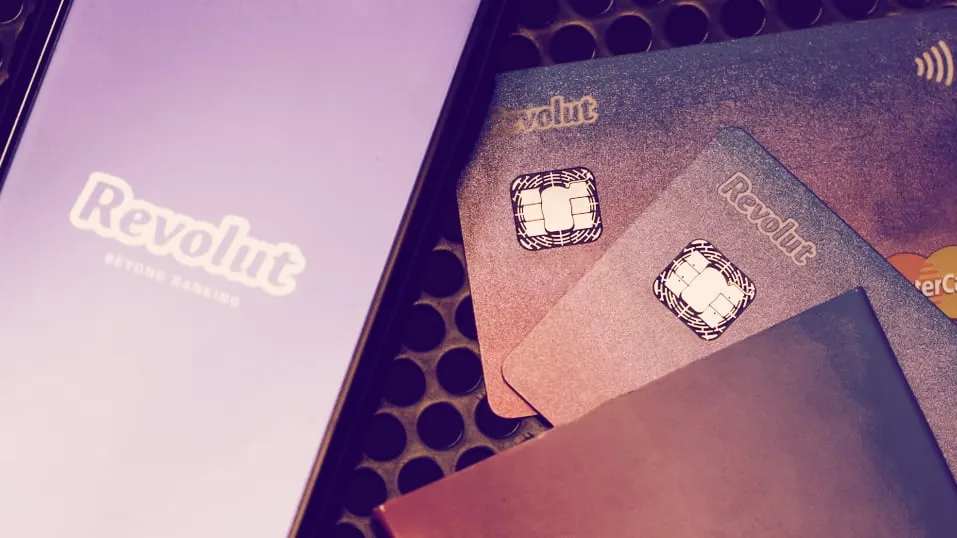
Revolut brings Bitcoin to all of its 7 million users - Decrypt

Bitcoin, a decentralized digital currency, has gained significant popularity. Understanding the process of buying Bitcoin, regardless of the platform, is crucial for navigating this digital landscape safely and effectively. This section Artikels the general process, from initiating the transaction to interacting with the blockchain and Bitcoin wallets.

The Bitcoin Buying Process Overview

The process of purchasing Bitcoin, while varying slightly based on the platform, generally follows a similar structure. This involves initiating a transaction, confirming the transaction, and receiving the cryptocurrency. Careful consideration of the steps and the underlying technology is essential for a smooth and secure experience.

Steps Involved in a Bitcoin Transaction

A typical Bitcoin transaction encompasses several key steps. These steps ensure security and transparency within the cryptocurrency ecosystem.

  • Initiating the transaction: The buyer specifies the amount of Bitcoin to purchase and the payment method. This step usually involves selecting the desired amount and confirming the details on the platform.
  • Verification and authorization: The platform verifies the buyer’s identity and payment details. This step often involves checking user credentials and ensuring the funds are available.
  • Transaction confirmation: The transaction is broadcast to the Bitcoin network. This step involves the network validating the transaction based on the established rules.
  • Bitcoin delivery: Once the transaction is confirmed, the Bitcoin is transferred to the buyer’s Bitcoin wallet. This step often involves waiting for a specific number of confirmations to ensure the transaction is final.

Understanding Blockchain Technology

The Bitcoin network operates on a distributed ledger technology called blockchain. Understanding the blockchain’s fundamental structure is essential for grasping how Bitcoin transactions are processed and verified.

  • Decentralization: The blockchain is not controlled by a single entity. Instead, numerous computers across the globe maintain and verify the transaction records. This decentralized nature enhances security and transparency.
  • Transparency: All Bitcoin transactions are recorded on the blockchain. These records are publicly viewable, though the identities of the participants are typically not revealed. This public ledger provides a history of transactions.
  • Security: Bitcoin transactions are secured by cryptographic hashing. This ensures the integrity of the transactions and prevents tampering.

How Bitcoin Wallets Function

Bitcoin wallets serve as digital repositories for holding and managing Bitcoin. These wallets are essential tools for interacting with the Bitcoin network.

  • Types of wallets: Bitcoin wallets come in various forms, including software wallets (desktop or mobile), hardware wallets, and online wallets. Each type has its own advantages and disadvantages regarding security and accessibility.
  • Key Management: Bitcoin wallets use cryptographic keys to control access to the Bitcoin. These keys are essential for sending and receiving Bitcoin. Users must safeguard these keys meticulously.
  • Security Practices: Using strong passwords, enabling two-factor authentication, and keeping the wallet software updated are crucial for ensuring the security of the wallet and the stored Bitcoin.

Illustrative Case Studies of Bitcoin Purchases

Understanding the practical application of buying Bitcoin through Revolut requires exploring real-world scenarios. These case studies offer insights into successful transactions, common pitfalls, and the advantages of choosing Revolut over alternative platforms. By examining these examples, you can better evaluate the process and make informed decisions.Exploring successful and less successful transactions, as well as comparing with alternative methods, provides a clearer picture of the nuances involved in buying Bitcoin through Revolut.

Successful Bitcoin Purchase on Revolut

A user successfully purchased 1 BTC through Revolut using a linked bank account. The transaction was initiated through the Revolut app, and the Bitcoin was credited to their digital wallet within the specified timeframe. The process was straightforward and the user experienced no issues. The purchase reflected the availability of sufficient funds in their linked bank account.

Common Problem Encountered When Buying Bitcoin Through Revolut

A common issue reported by some users involves insufficient funds in their linked bank account. This can lead to the transaction being rejected. Furthermore, some users encountered delays in the transaction processing, which were attributed to bank processing times and Revolut’s internal review. The delays could be caused by various factors, such as high transaction volume or security checks.

Advantages of Choosing Revolut for Bitcoin Purchases

Revolut often provides a user-friendly interface for Bitcoin purchases, which is a key advantage. The integration of Bitcoin buying into the existing Revolut platform makes it convenient for users already familiar with the platform. Furthermore, users can potentially benefit from potentially lower fees compared to other platforms, especially when taking into account any bundled services Revolut offers.

Alternative Methods for Bitcoin Purchases

Consider alternative platforms like Coinbase or Kraken for Bitcoin purchases. These platforms often offer a wider range of payment options and potentially lower transaction fees. However, these platforms may have different user interfaces or features that are not as user-friendly as Revolut’s interface. For example, Coinbase is well-known for its simple interface and user-friendly nature. Kraken is also known for its selection of trading pairs and services.

Ultimately, the best choice depends on individual needs and preferences.

Specific Use Cases of Bitcoin Purchases Through Revolut

Revolut’s Bitcoin purchasing service provides a convenient and accessible way to acquire Bitcoin. Understanding the potential applications of Bitcoin, purchased through Revolut, can help individuals and businesses leverage this digital asset effectively. This section explores various use cases, highlighting how Revolut streamlines the process and addresses specific needs.Revolut’s user-friendly platform and straightforward Bitcoin purchase process make it an attractive option for diverse applications.

Whether you are an individual seeking diversification or a business looking for a novel payment method, Revolut provides a platform that facilitates these transactions.

Investment Diversification

Individuals seeking to diversify their investment portfolios can utilize Revolut’s Bitcoin purchasing service. This allows for a potential hedge against traditional market fluctuations, adding a different asset class to their investment strategy.

International Transactions

Bitcoin, due to its decentralized nature, can facilitate international transactions more efficiently than traditional methods. Revolut’s platform streamlines the process, enabling seamless international money transfers.

Peer-to-Peer (P2P) Transactions

Revolut’s integration with Bitcoin enables P2P transactions, allowing individuals to send and receive Bitcoin directly, without relying on intermediaries. This can be particularly useful for facilitating transactions with individuals in different countries or with a reduced reliance on banks.

Business Operations

Businesses accepting Bitcoin as a payment method can utilize Revolut’s platform to facilitate transactions, potentially opening up new markets and customer bases. Revolut’s integration offers a streamlined approach to accepting this digital currency.

Hedging Against Inflation

In periods of high inflation, Bitcoin’s potential as a store of value becomes increasingly relevant. Revolut offers a user-friendly way to acquire Bitcoin, allowing individuals to potentially hedge against inflation. It simplifies the acquisition process, making it more accessible for a wider range of users.

Speculative Trading

Bitcoin’s price volatility can be an attractive aspect for individuals involved in speculative trading. Revolut provides a platform for quick and easy purchases of Bitcoin, allowing traders to capitalize on potential price fluctuations.

Example: International Student

A student studying abroad can use Revolut to purchase Bitcoin, facilitating international payments to family members or friends back home. This is more cost-effective than traditional international money transfer services. The student can use the Bitcoin for P2P transactions with reduced fees and greater speed compared to traditional banking methods.

Example: E-commerce Business

An e-commerce business can integrate Revolut’s Bitcoin purchasing system to allow customers to pay for products or services using Bitcoin. This expands the business’s customer base and opens up new revenue streams. Revolut simplifies the integration process, allowing businesses to easily accept Bitcoin as a payment method.

Future of Bitcoin and Revolut Integration

The integration of Bitcoin with platforms like Revolut presents a dynamic landscape with potential for significant growth. This evolution hinges on the interplay between Bitcoin’s trajectory and Revolut’s strategic adaptations. Understanding the potential for broader adoption, along with the inherent challenges, is crucial for assessing the future of this integration.The potential future of Bitcoin and Revolut integration is a complex tapestry woven from various threads.

This includes Bitcoin’s overall market adoption, Revolut’s continued innovation, and the regulatory environment in which both operate. While predictions are inherently uncertain, a thoughtful analysis of the factors at play offers valuable insights.

Potential Trends in Bitcoin Adoption

Bitcoin’s trajectory is closely tied to its adoption by mainstream consumers and businesses. Increased mainstream acceptance, often spurred by the development of user-friendly interfaces and simplified payment processes, could significantly impact the integration between Bitcoin and platforms like Revolut. Examples include the growing acceptance of Bitcoin by major retailers and businesses, which indicates a trend toward wider adoption.

Revolut’s Role in Facilitating Bitcoin Adoption

Revolut’s position as a financial technology company with a large user base positions it to play a crucial role in accelerating Bitcoin adoption. Their ability to create intuitive and user-friendly interfaces for Bitcoin transactions will be critical to driving wider use of Bitcoin among its customers. The potential for Revolut to offer specialized Bitcoin-related products and services, such as interest-bearing accounts or decentralized finance (DeFi) access, could further enhance its appeal.

Potential Challenges and Opportunities

Several challenges and opportunities lie ahead in the relationship between Bitcoin and Revolut. The regulatory landscape surrounding cryptocurrencies remains fluid and complex, posing potential risks. However, Revolut can leverage its existing infrastructure and resources to navigate these challenges. A proactive approach to regulatory compliance and a clear strategy for addressing regulatory uncertainties are crucial.

Forecast of the Future Bitcoin Market and Revolut’s Position

The future of the Bitcoin market and Revolut’s position within it is uncertain but presents exciting possibilities. The market’s volatility is a factor to consider, as are potential regulatory changes and advancements in blockchain technology. However, the increasing interest in Bitcoin and other cryptocurrencies, coupled with Revolut’s commitment to innovation, suggests a potentially bright future. Revolut’s strategic partnerships and product developments will likely play a key role in determining its future position.

Ending Remarks

In conclusion, purchasing Bitcoin through Revolut can be a convenient option, but careful consideration of security measures, fees, and alternative platforms is crucial. This guide has provided a detailed overview of the process, highlighting the advantages and potential challenges. By understanding the various aspects involved, you can confidently embark on your Bitcoin journey with Revolut.

Top FAQs

What are the typical fees associated with buying Bitcoin on Revolut?

Revolut charges transaction fees, which can vary based on the chosen payment method. Conversion fees might also apply depending on your currency. Always review the current fee structure on Revolut’s website.

Are there any security risks involved in buying Bitcoin through Revolut?

While Revolut employs security measures, users should exercise caution. Be wary of phishing scams and always double-check the legitimacy of any requests or links. Following Revolut’s security guidelines is crucial.

What are some alternative platforms for buying Bitcoin besides Revolut?

Other popular platforms include Coinbase, Kraken, and Gemini. Each platform has its own set of features, fees, and security protocols. Comparing these options is essential for making an informed decision.

How does Revolut’s platform handle Bitcoin transactions?

Revolut utilizes secure servers and encryption protocols to protect transactions. They also often have dedicated support teams available to assist with any issues.

Buying Bitcoin in Hong Kong presents a fascinating opportunity for investors, but navigating the complexities of the local market requires careful consideration. This guide dives deep into the intricacies of Bitcoin adoption in Hong Kong, from its historical context to the latest regulatory landscape.

Understanding the diverse methods available for purchasing Bitcoin, the potential risks, and the crucial factors to consider is paramount. We’ll explore a variety of exchanges, payment options, and security measures to help you make informed decisions.

Introduction to Bitcoin in Hong Kong

Bitcoin’s presence in Hong Kong reflects a dynamic interplay between technological innovation and regulatory frameworks. The city, known for its financial hub status and openness to new technologies, has seen growing interest in cryptocurrencies, including Bitcoin. This has resulted in a complex environment for investors seeking to understand the nuances of Bitcoin adoption within the region.The adoption of Bitcoin in Hong Kong has been gradual, driven by a combination of factors, including the city’s reputation as a financial center, its openness to new technologies, and the allure of decentralized finance (DeFi) opportunities.

However, the journey has not been without its challenges, and the regulatory landscape remains a key factor for understanding the nuances of investing in Bitcoin in Hong Kong.

History of Bitcoin Adoption in Hong Kong

Early Bitcoin adoption in Hong Kong mirrored global trends, with a period of enthusiastic exploration followed by regulatory considerations. The city’s initial approach to Bitcoin, like other jurisdictions, was largely characterized by a cautious yet receptive attitude. News reports and social media discussions played a significant role in increasing awareness and interest among local investors.

Regulatory Environment Surrounding Bitcoin in Hong Kong

Hong Kong’s regulatory stance on Bitcoin is characterized by a nuanced approach. While not explicitly banning Bitcoin, the regulatory framework primarily focuses on classifying and regulating Bitcoin as a financial asset, rather than a currency. This has resulted in a more controlled environment, which is sometimes viewed as beneficial for protecting investors from fraudulent activities, but also as a barrier to wider adoption.

This approach differs from jurisdictions that have adopted a more permissive stance, influencing how investors perceive the risk-reward equation of investing in Bitcoin in Hong Kong.

Common Misconceptions About Investing in Bitcoin in Hong Kong

A common misconception is that Bitcoin investment in Hong Kong is inherently risk-free. The reality is that the market is subject to volatility, and investments can experience significant price fluctuations. Another misconception is that Bitcoin is a get-rich-quick scheme. Bitcoin’s price can change dramatically, and consistent profitability requires careful research and analysis, akin to other investment opportunities.

These misconceptions should be carefully considered to ensure realistic expectations are set.

Advantages and Disadvantages of Buying Bitcoin in Hong Kong

Hong Kong offers access to a range of Bitcoin exchanges, potentially providing investors with greater choice and competitive pricing. However, this accessibility also presents a challenge in terms of evaluating the security measures of various exchanges. Additionally, the regulatory environment can sometimes create uncertainty, leading to potential risks for investors. These advantages and disadvantages should be carefully weighed to assess the overall suitability of investing in Bitcoin within Hong Kong.

This careful consideration allows investors to make informed decisions, balancing potential benefits with the inherent risks of cryptocurrency investment.

Key Bitcoin Exchanges Available in Hong Kong

The table below highlights key Bitcoin exchanges operating in Hong Kong. It presents a comparison of fees, security measures, and user reviews (where available). Choosing an exchange requires careful consideration of individual needs and risk tolerance. This analysis is designed to facilitate informed decision-making for investors looking to buy or sell Bitcoin in Hong Kong.

Exchange Fees Security Measures User Reviews
Exchange A Variable, tiered Multi-factor authentication, cold storage Mixed, some complaints about customer support
Exchange B Fixed, relatively low Advanced encryption, insurance coverage Positive, noted for reliability
Exchange C Variable, high for high-volume trades 2-factor authentication, security audits Generally positive, reported issues with platform stability
Exchange D Fixed, competitive Secure servers, robust transaction protocols Positive, strong user base and support

Methods for Buying Bitcoin in Hong Kong

Acquiring Bitcoin in Hong Kong presents a variety of avenues, catering to different preferences and risk tolerances. Understanding the various methods and their associated considerations is crucial for making informed decisions. This section explores the most common approaches, outlining the procedures and evaluating their relative merits.

Exchanges

Bitcoin exchanges are prominent platforms facilitating the buying and selling of cryptocurrencies. They offer a streamlined, regulated environment for transactions, typically with a user-friendly interface. A wide selection of trading pairs, including Bitcoin, is often available, allowing for diverse investment strategies. These platforms usually employ robust security measures to protect user funds.

  • Steps to Buy Bitcoin on an Exchange:
    1. Account Creation: Register with a reputable exchange and complete the required verification procedures.
    2. Funding Account: Deposit funds into your account using a supported payment method.
    3. Place Order: Select the desired Bitcoin amount and execute a market or limit order.
    4. Confirmation: Review the order details and confirm the transaction.

Over-the-Counter (OTC) Trading

OTC platforms provide a direct, personalized approach to Bitcoin transactions. Individuals or businesses can negotiate the terms of a trade outside of an exchange, often suitable for larger transactions. This method can be beneficial for those seeking greater flexibility and potentially lower fees compared to exchanges, but often entails a higher degree of risk.

  • Steps to Buy Bitcoin OTC:
    1. Identify a Reputable Vendor: Carefully research and select a trusted OTC vendor.
    2. Negotiate Terms: Discuss the transaction details, including the price, amount, and payment method.
    3. Verify Identity: Ensure proper identification verification procedures are followed.
    4. Execute Transaction: Complete the agreed-upon transaction within the stipulated timeframe.

Comparison of Methods

Exchanges offer convenience and a regulated environment, but potentially higher fees. OTC trading provides greater flexibility but necessitates a higher level of due diligence and risk assessment. The security measures employed by reputable exchanges are generally more robust than those employed by individuals or smaller OTC platforms. Choose the method that aligns with your transaction volume, risk tolerance, and preferred level of control.

Payment Methods for Bitcoin Purchases

A range of payment methods are available for Bitcoin purchases in Hong Kong. The choice depends on personal preference and the platform’s acceptance.

Payment Method Transaction Fees Processing Time Notes
Bank Transfer Low to Moderate 1-3 business days Commonly used for larger transactions.
Credit/Debit Card Moderate to High Near-instant Often subject to additional fees.
Cryptocurrency Transfer Low Near-instant Facilitates faster transactions between crypto wallets.
e-Wallets Moderate Near-instant Popular for convenience and speed.

Choosing a Reputable Bitcoin Exchange in Hong Kong

Evaluating the reputation and reliability of a Bitcoin exchange is essential. Consider factors such as:

  • Regulatory Compliance: Ensure the exchange adheres to local regulations and licensing requirements.
  • Security Measures: Assess the security protocols and measures in place to protect user funds.
  • Customer Support: Evaluate the availability and responsiveness of customer support services.
  • Trading Volume: Look for exchanges with a substantial trading volume, indicating market liquidity.
  • User Reviews: Examine reviews and testimonials from other users to gauge their experiences.

Factors to Consider When Buying Bitcoin in Hong Kong

Bitcoin investment in Hong Kong, like anywhere else, presents unique opportunities and inherent risks. Understanding these factors is crucial for making informed decisions and safeguarding your financial interests. Navigating the market requires a careful balance of excitement and caution.Hong Kong’s regulatory environment for cryptocurrencies is evolving, but it’s still important to be aware of the potential for volatility and the lack of complete legal protections in certain areas.

While the market offers potential for substantial gains, it’s vital to approach Bitcoin trading with a clear understanding of the associated risks and potential scams.

Risks Associated with Bitcoin Investment in Hong Kong

Bitcoin’s price fluctuations are a significant risk. Rapid price swings can lead to substantial losses if not managed carefully. The market is highly volatile, influenced by various global factors, and past performance is not indicative of future results. Investors should carefully consider their risk tolerance before committing capital to Bitcoin.

Potential Scams and Fraudulent Activities

Numerous scams target Bitcoin investors in Hong Kong, exploiting the relative newness and complexity of the market. Common tactics include fake exchanges, phishing emails, and fraudulent investment schemes promising unrealistic returns. Vigilance is paramount in protecting your assets.

Importance of Due Diligence When Choosing a Bitcoin Exchange or Service

Thorough due diligence is critical when selecting a Bitcoin exchange or service in Hong Kong. Research the exchange’s reputation, security measures, and customer support. Look for licensed and regulated platforms, which offer a higher degree of security and protection. Reading reviews from other users can offer valuable insights. Avoid platforms with poor reviews or those that seem too good to be true.

Protecting Your Funds When Buying Bitcoin in Hong Kong

Protecting your funds is paramount. Use strong, unique passwords for all accounts. Enable two-factor authentication (2FA) whenever possible. Be wary of suspicious links or emails, and avoid sharing personal information with unknown parties. Keep your financial information confidential and monitor your accounts regularly for any unusual activity.

Common Bitcoin Scams and How to Avoid Them

Understanding common Bitcoin scams is essential for protecting your investments. The table below summarizes potential scams, red flags to watch out for, and preventive measures.

Scam Type Red Flags Preventive Measures Example
Fake Exchanges Websites that look unprofessional, lack security features, or ask for excessive personal information. Suspicious or unrealistic promises. Verify the exchange’s legitimacy through reputable sources. Look for licensing and regulatory information. Check reviews from other users. A website promising high returns on Bitcoin investments but lacking proper security measures.
Phishing Emails Emails requesting personal information, including login credentials or financial details, with suspicious links or poor grammar. Never click on suspicious links in emails. Contact the exchange directly to verify requests. Be cautious of emails that seem urgent or threaten account suspension. An email claiming to be from a legitimate exchange, asking for login credentials.
Investment Scams Offers of unrealistic returns on Bitcoin investments with high-pressure sales tactics. Lack of transparency regarding investment strategies. Research investment strategies thoroughly. Be wary of promises of guaranteed returns. Seek professional financial advice. A fraudulent scheme promising 100% returns on Bitcoin investments within a short timeframe.
Pump and Dump Schemes Rapid price increases of a specific Bitcoin promoted through social media or online forums. Suspicious social media campaigns. Do your own research. Don’t rely solely on social media hype. Be cautious of investments promoted through social media groups or forums with a sudden surge in price. A cryptocurrency suddenly experiencing a significant price increase, followed by a steep decline.

Buying Bitcoin in General

Purchasing Bitcoin globally involves a series of steps, each crucial for ensuring a secure and successful transaction. Understanding the process, from initial research to final confirmation, is vital for mitigating potential risks. This involves exploring different platforms, assessing security protocols, and selecting the most appropriate wallet for long-term storage.Bitcoin buying, regardless of location, typically follows a standard process.

Users typically initiate a transaction through a cryptocurrency exchange or a specialized platform. These platforms act as intermediaries, facilitating the exchange of fiat currency (like USD or EUR) for Bitcoin. The process often requires user registration, verification, and funding of an account.

Bitcoin Buying Processes

The Bitcoin buying process often involves several key steps. First, users select a cryptocurrency exchange or platform that aligns with their needs and risk tolerance. They then create an account, complete the necessary KYC (Know Your Customer) verification procedures, and deposit funds into their exchange account. Once the account is funded, users can initiate a Bitcoin purchase.

Confirmations and transaction completion times vary based on the selected platform. Finally, users store their acquired Bitcoin in a designated digital wallet for safekeeping.

Security Measures When Buying Bitcoin

Security is paramount when dealing with cryptocurrencies. Users should prioritize reputable exchanges and platforms with robust security measures. These measures include two-factor authentication (2FA), cold storage solutions for wallet management, and secure encryption protocols. Regularly monitoring account activity and promptly addressing any suspicious activity are essential security practices. By understanding and applying these security measures, users can significantly reduce the risk of losing their Bitcoin holdings.

Bitcoin Wallets

Choosing the right Bitcoin wallet is crucial for secure and convenient storage. Different wallets cater to varying needs and preferences. Examples include software wallets, hardware wallets, and web wallets. Software wallets are user-friendly, but their security depends heavily on the user’s security practices. Hardware wallets provide enhanced security through offline storage, making them a popular choice for long-term storage.

Web wallets, accessed through a web browser, offer convenience but may carry greater risks due to reliance on external servers.

Wallet Type Security Features Ease of Use
Software Wallets Moderate, reliant on user security practices. High, generally easy to set up and use.
Hardware Wallets High, offline storage enhances security. Moderate, setup can be more complex.
Web Wallets Low, reliance on external servers introduces risk. High, accessible from any device with internet access.

Crypto Exchanges

Cryptocurrency exchanges facilitate the buying and selling of Bitcoin. Selecting a reputable exchange with robust security measures is crucial. Different exchanges have varying transaction fees and withdrawal limits. Factors like transaction speed, customer support, and available trading pairs should also be considered. It’s vital to research and compare various exchanges before making a choice.

Exchange Fees Security Protocols
Binance Variable, often competitive Known for robust security measures, including cold storage and multi-factor authentication.
Coinbase Variable, competitive in certain regions Generally considered secure, with various security features.
Kraken Variable, often competitive Known for its security and compliance with regulatory standards.

Bitcoin and Hong Kong’s Financial Landscape

Hong Kong Paying a Premium for Bitcoin That Beijing Can't Stop

Bitcoin’s presence in Hong Kong’s financial ecosystem is a complex interplay of opportunity and challenge. Its adoption, while not as widespread as in some other jurisdictions, has introduced a new dimension to the city’s financial landscape, influencing investment strategies and potentially prompting regulatory adjustments. Understanding this dynamic is crucial for assessing Bitcoin’s long-term impact on Hong Kong’s overall financial health.Bitcoin’s influence on Hong Kong’s financial markets extends beyond its direct use as a currency.

Its volatility and potential as an alternative investment asset class have drawn the attention of traditional investors, potentially affecting trading volumes and market sentiment in related sectors like cryptocurrency exchanges and digital asset management firms. This indirect influence warrants careful consideration.

Bitcoin’s Role in Hong Kong’s Financial Ecosystem

Bitcoin’s adoption in Hong Kong is driven by a blend of factors. These include a desire for diversification among investors, the potential for higher returns, and the growing global interest in cryptocurrencies. The presence of cryptocurrency exchanges and related services indicates a level of acceptance and integration into the local financial ecosystem. However, its acceptance within mainstream financial institutions remains limited, with significant challenges still present in terms of regulatory clarity.

Influence of Bitcoin on Other Financial Markets

Bitcoin’s price fluctuations often ripple through other financial markets in Hong Kong. For example, fluctuations in Bitcoin’s value can affect investor sentiment in traditional asset classes, potentially impacting stock prices and overall market confidence. This interconnectedness emphasizes the importance of understanding the broader implications of Bitcoin’s price volatility on the Hong Kong market.

Potential Regulatory Changes Impacting Bitcoin

Hong Kong’s regulatory approach to Bitcoin is still evolving. Potential regulatory changes could range from stricter licensing requirements for cryptocurrency exchanges to more comprehensive oversight of digital asset trading. Such changes will likely be driven by a balance between encouraging innovation and mitigating potential risks.

Bitcoin’s Volatility and its Impact on the Hong Kong Market

Bitcoin’s notorious volatility presents a significant challenge for investors and the Hong Kong market. Sharp price swings can lead to substantial losses for those holding Bitcoin, impacting investor confidence and potentially disrupting the stability of related financial instruments. This volatility underscores the need for investors to understand the inherent risks associated with investing in Bitcoin.

Impact of Bitcoin Price Fluctuations on Hong Kong’s Financial Sector

The volatility of Bitcoin’s price can significantly impact various sectors within Hong Kong’s financial market. A decrease in Bitcoin’s value might lead to a reduction in trading volumes on cryptocurrency exchanges, impacting related businesses. Conversely, an increase could stimulate investor interest in digital assets. Understanding these potential effects is crucial for assessing Bitcoin’s overall impact on the Hong Kong financial system.

Bitcoin Price Change Impact on Cryptocurrency Exchanges Impact on Traditional Asset Classes Impact on Investor Confidence
Significant Increase Increased trading volume, potentially higher revenue for exchanges Potential for increased investor interest in related sectors Potential boost in confidence, increased speculative activity
Significant Decrease Decreased trading volume, potential for reduced revenue for exchanges Potential for decreased investor interest in related sectors Potential for reduced confidence, decreased speculative activity
Moderate Fluctuations Stable trading volume, potentially lower revenue compared to significant price changes Minimal impact on traditional asset classes Maintaining moderate investor confidence

Illustrative Case Studies (Hong Kong)

Hong Kong, with its robust financial infrastructure and tech-savvy population, has seen increasing interest in Bitcoin. This section delves into real-world examples, showcasing successful investments, the challenges faced by traders, and the potential applications of Bitcoin within the Hong Kong context. These case studies provide a tangible understanding of the evolving relationship between Bitcoin and the Hong Kong financial landscape.Illustrative case studies, while not exhaustive, provide valuable insights into the diverse experiences of individuals engaging with Bitcoin in Hong Kong.

They highlight both the potential rewards and the inherent risks associated with investing in this cryptocurrency.

A Successful Bitcoin Investor in Hong Kong

A notable example of a successful Bitcoin investor in Hong Kong is a venture capitalist who actively followed market trends, conducting in-depth research on different projects and their potential. Their strategy involved diversifying their portfolio across various cryptocurrencies, not solely relying on Bitcoin. This diversified approach, coupled with a long-term investment horizon, allowed them to weather market fluctuations and achieve substantial gains.

Challenges Faced by a Bitcoin Trader in Hong Kong

Bitcoin traders in Hong Kong face several challenges. Regulatory uncertainty, while gradually clarifying, still creates a degree of risk and requires ongoing vigilance. Market volatility, a universal characteristic of cryptocurrency trading, can lead to substantial losses if not managed effectively. Additionally, the high degree of competition among traders demands strong analytical skills and a deep understanding of the market dynamics.

Successful Portfolio Diversification with Bitcoin

A Hong Kong-based entrepreneur, recognizing the potential of Bitcoin as a store of value and its role in diversifying their portfolio, integrated a small percentage of Bitcoin into their overall financial strategy. They had a pre-existing investment portfolio focused on traditional assets. This strategy allowed them to mitigate risk and potentially increase returns by including an alternative asset class.

The success of this approach is dependent on the individual’s risk tolerance and financial goals.

Bitcoin Use in Everyday Transactions in Hong Kong

Currently, the use of Bitcoin in everyday transactions in Hong Kong is limited. While Bitcoin adoption is growing, the widespread use in retail and everyday commerce is not yet prevalent. However, businesses and individuals may use Bitcoin in specific situations such as peer-to-peer transactions or for international remittances, as detailed below.

Bitcoin for Remittances in Hong Kong

While not as common as traditional methods, Bitcoin can be used for remittances in Hong Kong. The process typically involves converting fiat currency to Bitcoin, sending the Bitcoin to the recipient, and then converting the Bitcoin back to local currency. This method can potentially be faster and cheaper than traditional remittance services, particularly for international transfers. However, users need to be aware of transaction fees, exchange rate fluctuations, and security risks.

Illustrative Case Studies (General Bitcoin Buying)

Bitcoin’s global adoption has seen a rise in successful investors and traders, alongside the inevitable challenges encountered. These case studies offer insights into navigating the complexities of the Bitcoin market, showcasing both triumph and tribulation. Understanding these examples can help potential investors make informed decisions.Successful investment strategies, resilience in adverse market conditions, and the diversification benefits of Bitcoin are highlighted through these real-world examples.

The stories reveal the spectrum of experiences within the Bitcoin ecosystem.

A Successful Bitcoin Investor

A globally recognized successful Bitcoin investor, known for their meticulous research and long-term strategy, consistently achieved above-average returns. Their approach involved a diversified portfolio encompassing various cryptocurrencies, alongside traditional assets. Thorough due diligence, coupled with risk management strategies, was central to their success. They employed strategies that minimized risk while maximizing potential gains. This involved careful consideration of market trends, regulatory landscapes, and technological advancements.

Challenges Faced by a Bitcoin Trader

Bitcoin trading, while potentially lucrative, presents numerous challenges. A common hurdle is market volatility, which can lead to significant losses if not managed effectively. A globally active trader might encounter fluctuations in exchange rates, affecting profits. Other factors like transaction fees, security risks, and regulatory uncertainties also contribute to the complexities of Bitcoin trading. Navigating these hurdles requires a deep understanding of market dynamics, consistent risk assessment, and meticulous trading strategies.

Diversification Using Bitcoin

Individuals successfully diversified their portfolios by integrating Bitcoin. This strategy allowed them to mitigate risk and potentially enhance overall returns. The integration of Bitcoin into a broader portfolio strategy often involved meticulous research and diversification strategies. This process involved careful evaluation of the correlation between Bitcoin and other assets in the portfolio. Successful integration often depended on the investor’s understanding of risk tolerance and financial goals.

Bitcoin in Everyday Transactions

Bitcoin’s use in everyday transactions, while increasing, remains limited globally. While adoption is growing in some sectors, its widespread use in retail purchases is still evolving. Factors like transaction fees, infrastructure limitations, and consumer awareness play significant roles. The availability of Bitcoin payment options is growing, but it is not yet ubiquitous.

Bitcoin for Global Remittances

Bitcoin is sometimes used for global remittances, offering potential cost savings and speed compared to traditional methods. However, the complexities of international money transfers with Bitcoin, like exchange rate fluctuations and regulatory compliance, require careful consideration. For cross-border transactions, Bitcoin’s use still faces hurdles related to regulatory frameworks and consumer adoption. Moreover, the security of these transactions and the need for robust payment infrastructure are crucial considerations.

Closing Summary

In conclusion, buying Bitcoin in Hong Kong offers both potential rewards and inherent risks. By understanding the local regulatory environment, the various purchase methods, and the associated security considerations, investors can make informed choices. This guide equips you with the knowledge to navigate the market with confidence.

Common Queries

What are the common misconceptions about investing in Bitcoin in Hong Kong?

Some common misconceptions include the belief that Bitcoin is risk-free or that the Hong Kong market is inherently more favorable than others. It’s crucial to approach any investment with a realistic understanding of the market’s volatility.

What are the different payment methods available for buying Bitcoin in Hong Kong?

Common payment methods include bank transfers, cryptocurrency wallets, and various digital payment platforms. Be sure to compare fees and processing times when selecting a payment method.

What are some red flags to watch out for when choosing a Bitcoin exchange?

Look out for exchanges with poor security ratings, unrealistic promises of high returns, or a lack of transparency in their operations. Thorough due diligence is essential.

How can I protect my funds when buying Bitcoin in Hong Kong?

Utilizing strong passwords, enabling two-factor authentication, and storing your crypto in a secure wallet are all important steps to take. Keeping your private keys safe is also crucial.